Freeze protection for water heaters in Denver
Winters here are long and genuinely cold, and a water heater is one of the appliances most exposed to a hard freeze. The heater itself holds hot water, but the pipes feeding it and the pipes carrying hot water away do not — and a frozen section of pipe can stop the hot water, split a fitting, or flood a room when it thaws.
Where freeze damage happens
The vulnerable spots are the ones that get cold: supply lines running through unheated basements, garages, and crawl spaces, and heaters installed in garages, which are common in newer subdivisions here. A heater in a conditioned closet is far safer than one in a garage that drops below freezing overnight.
Insulation is the first defence
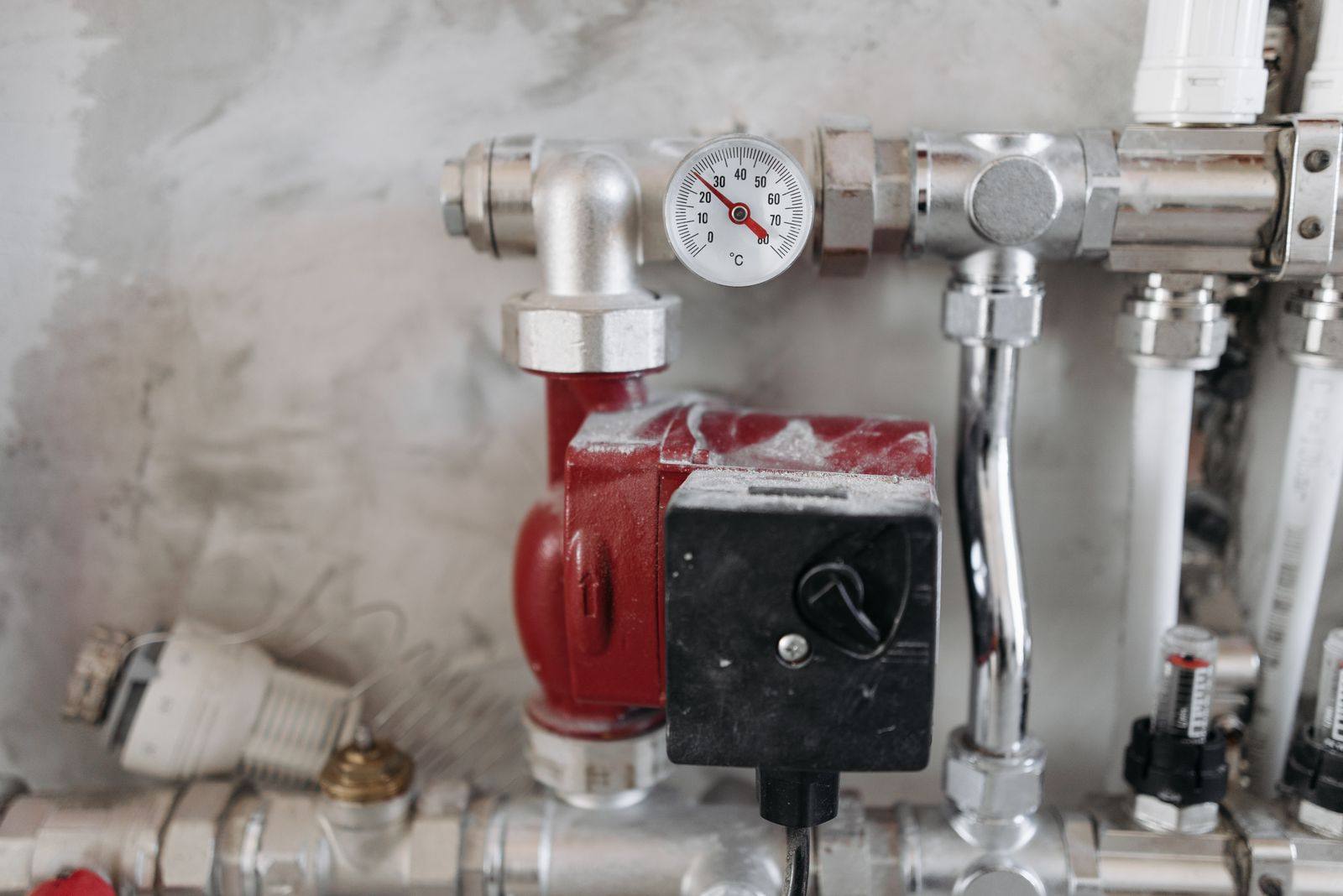
Pipe insulation on the hot and cold lines around the heater is cheap and effective, and it is the first thing a provider checks on a freeze-protection visit. The second is the heater's own location: a heater in a garage benefits from keeping the garage door closed on the coldest nights and from sealing obvious draughts around the unit.
What to do when the hot water stops in a cold snap
If a cold snap hits and the hot water stops at the same time, the problem may not be the heater at all — a frozen section of pipe can block flow to or from the unit. Do not keep running the heater and hoping: turn off the water supply to the heater if you suspect a split pipe, and request assistance describing the cold snap and the symptoms. A provider checks the supply lines and the heater together, and will say so if thawing and insulation are the real fix rather than a new part.
Tankless units in winter
A tankless unit holds very little water, which is good in a freeze — but its heat exchanger and condensate drain can still freeze, and a frozen condensate drain will shut the unit down. Keeping the unit powered (so its internal freeze protection can run) and the drain clear matters through the winter.
Frequently Asked Questions
Should I leave my water heater on during a freeze?
Yes — a heater that is on keeps its own water hot and its freeze protection active. Turning it off during a cold snap is the wrong move.
My pipes froze. Is the heater damaged?
Not necessarily. A frozen supply pipe and a damaged heater are different problems, and a provider checks both before recommending anything.
Does pipe insulation really help?
Yes — insulation on the exposed lines around the heater is the single most effective freeze protection for the cost, and a provider can add it during a maintenance visit.